The 2026 World Cup presents an unprecedented challenge for global brands. Unlike previous tournaments, this iteration spans three countries and 16 cities across North America, with a month-long schedule and geographically dispersed matches. Traditional sponsorship playbooks centred on staging events in host cities no longer suffice. Instead, leading brands are turning to creator partnerships to build buzz away from the stadiums themselves. This shift represents a fundamental evolution in how publishers and marketing professionals approach live event marketing. By understanding this trend, your organisation can better navigate the creator economy and capitalise on future high-profile moments.
## Key Takeaways
Geographically dispersed tournaments require dispersed creator activation. Brands must activate creators in multiple regions simultaneously, not just host cities.
Two-screen viewing dominates early tournament stages. Social media and creator content compete directly with broadcast television for attention.
Creators can democratise access to premium events. Home-based themed content addresses ticket affordability barriers for consumers.
DAZN’s DAZN48 initiative captures fan perspective. Rights holders now invest in creator ecosystems to tell stories beyond the pitch.
First-party data from creator partnerships has measurable marketing ROI. Brands like Lay’s extract consumer insights while building loyalty.
## The Logistics Problem: Why Traditional Sponsorship Falls Short
For decades, major brands relied on a predictable sponsorship formula: identify host cities, stage exclusive events, and wait for creators to capture moments on-site. This approach worked for Formula 1, the Super Bowl, and previous World Cups because the events were geographically concentrated.
The 2026 World Cup shatters that model. Matches occur across the United States, Mexico, and Canada. Ticket prices range from USD 60 (group-stage seats that fans struggle to secure) to several thousand dollars for premium seating. The majority of 2026 World Cup tickets cost hundreds of dollars, with upper-deck seats reaching into the several thousands.
This creates a painful paradox: the world’s biggest sporting event is increasingly inaccessible to the average consumer. Simultaneously, New York and New Jersey’s attorney generals are investigating FIFA’s ticketing process following public complaints and allegations of fraud.
For brands, this means they cannot simply stage events at the games. They must build excitement and engagement away from stadiums, in the homes and daily lives of their target audiences.
## The Creator Solution: Building Buzz at Home
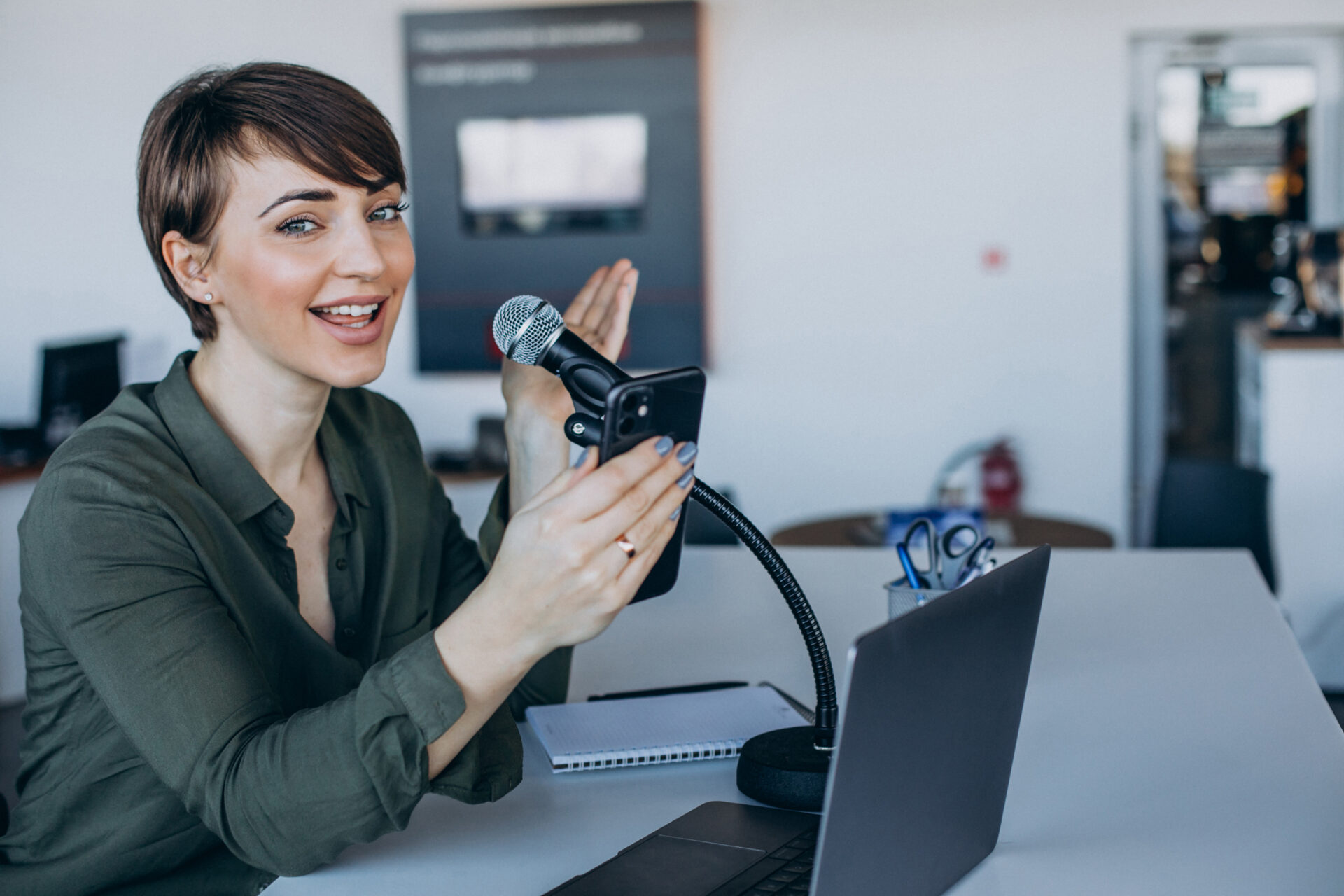
Forward-thinking brands have recognised that creators offer a scalable, authentic way to build tournament excitement without stadium presence. Consider Julie Sousa, an Instagram influencer with 2.4 million followers whose primary content focuses on home event planning and decor. She has recently expanded into sports-themed parties.
Sousa was approached by confectionery brand Ferrero to create two World Cup-themed party videos: one launching ahead of the tournament and another scheduled to go live during the games. She was also commissioned by Sutter Home Wines to publish World Cup-branded content. Her manager, Emma Clarke, described the Ferrero deal as “one of Sousa’s higher-end deals,” though exact figures remain undisclosed.
This activation strategy addresses a critical consumer pain point. As Clarke noted: “A lot of people can’t afford going to an expensive football game, especially the World Cup, right now… So how can you still make this an experience without having to actually be at the field or at the stadium?”
Kenzie Williams, another creator working with official FIFA sponsor Quaker Oats, faced a similar brief: create content that celebrates the World Cup from home. Williams also partnered with Best Buy and electronics manufacturer Hisense to promote new television technology, positioning at-home viewing as the premium World Cup experience.
## The Two-Screen Phenomenon
Industry analysts predict that early World Cup matches (where multiple games air daily) will drive “two-screen viewing”: consumers passively watch matches on television whilst actively engaging on mobile devices.
Scott Sutton, CEO of influencer marketing platform Later, explains the challenge for traditional advertisers: “If I’m a brand advertising early on in the World Cup, most of my users are living in a two-screen world, they’re half into what they’re watching, I can’t be super targeted, and I don’t have great attention.”
This dual-screen dynamic fundamentally shifts marketing effectiveness. Broadcast spots cannot compete for attention. Instead, targeted, personalised creator content wins. Brands increasingly recognise that social media influencers, not television networks, will command consumer attention during the tournament’s early stages.
Shawn Francis, executive creative director at COPA90, predicts this will be “the creator’s World Cup.” He argues: “The average person will probably spend more time interacting with this tournament on social media than they will spend time interacting with it on the television.”
## First-Party Data: The Real Prize
Beyond attention capture, creator partnerships deliver a strategic asset: first-party consumer data. Lay’s has partnered with global celebrities including Lionel Messi, Alexia Putellas, Steve Carell, and David Beckham to deliver a WhatsApp chat experience during the World Cup. Consumers engage directly with celebrity personalities whilst Lay’s captures zero-party data about preferences, behaviours, and sentiment.
This data is “marketing gold,” because it flows directly to the brand without intermediaries. Facebook, TikTok, and Instagram provide aggregated metrics, but WhatsApp chats deliver granular, first-party insights into consumer psychology during major cultural moments.
For publishers in the creator economy space, this trend underscores a fundamental shift: brands now view creators not merely as marketing channels, but as data partners and audience bridges.
## What Rights Holders Are Doing: The DAZN48 Model
Rights holders themselves are investing heavily in creator ecosystems. DAZN, the global sports streaming platform, launched DAZN48 in April 2026, a worldwide search for football creators. The initiative recruited one “correspondent” from each competing nation to cover the tournament from their unique perspective.
As DAZN Chief Revenue Officer and President Walker Jacobs told Digiday: “This is all about how we tell the story of the World Cup through the fans’ eyes, not just what’s happening on the pitch. Everyone can watch the matches, but understanding the sort of cultural phenomenon of the World Cup is what this program is all about.”
This approach signals that streaming platforms understand a critical insight: the narrative around an event often matters as much as the event itself. DAZN is not competing for broadcast rights or stadium footage. It is competing for the cultural story, and that story lives on social media and in creator content, not in stadium broadcast feeds.
## Implications for Publishers and Media Professionals
For those working in publishing and media, the World Cup 2026 case study reveals several strategic imperatives: Brands of all sizes must develop creator ecosystems to remain relevant during major cultural moments. Audience fragmentation is permanent. Two-screen viewing and social media dominance mean that traditional broadcast-centric models no longer capture audience attention. Publishers must build platforms and communities around creator content. First-party data drives competitive advantage. Brands that build direct relationships with audiences gain strategic insights that third-party data cannot provide. As ticket prices soar and events become geographically dispersed, brands that frame creator content as “democratising access” build loyalty and emotional connection.
## Frequently Asked Questions
How do brands measure ROI on creator partnerships during live events? Most brands track engagement metrics (views, comments, shares), sentiment analysis, and first-party data capture (email signups, WhatsApp subscribers, survey responses). Premium partnerships also include affiliate tracking or unique discount codes to measure direct sales attribution.
Can smaller brands compete with budget-rich enterprises in creator marketing? Yes. Micro-influencers (10K-100K followers) often deliver higher engagement rates and more authentic audiences than mega-influencers. Smaller brands should focus on niche communities and long-term partnerships rather than one-off sponsorships.
Is creator-driven marketing sustainable beyond one-off events? Absolutely. Successful brands build year-round creator communities, not just event-specific activations. This creates consistent audience touch-points and loyalty that outlasts any single moment.
How should publishers position themselves in the creator economy? Publishers should become platforms for creator discovery and aggregation. Tools, training, and community spaces that help creators succeed are increasingly valuable.
What risks should brands mitigate when working with creators? Brand safety, audience authenticity, and creator independence are paramount. Brands should vet creator audiences for bot activity and ensure partnerships align with creator voice to maintain credibility.
## Conclusion
The 2026 World Cup illustrates a broader truth: major sporting events are no longer won at stadiums alone. They are won in the homes, phones, and communities where audiences actually spend their time. Creators are the architects of those spaces.
For publishing professionals, this trend signals opportunity. Organisations that invest in creator infrastructure, community building, and first-party data strategies will lead their industries. Those that cling to broadcast-era models will struggle. The future belongs to those who understand that events are secondary to stories, and stories are owned by creators.
Learn more about creator marketing strategies from Publishrs: https://blog.publishrs.com for publisher insights, https://publishrs.com for the digital publishing platform, https://blog.publishrs.com/creator-economy for creator economy trends, and https://publishrs.com/resources for publishing industry resources.
External authority links: Harvard Business Review Influencer Marketing research, Journalism.co.uk industry news, and Nieman Lab media innovation coverage.